
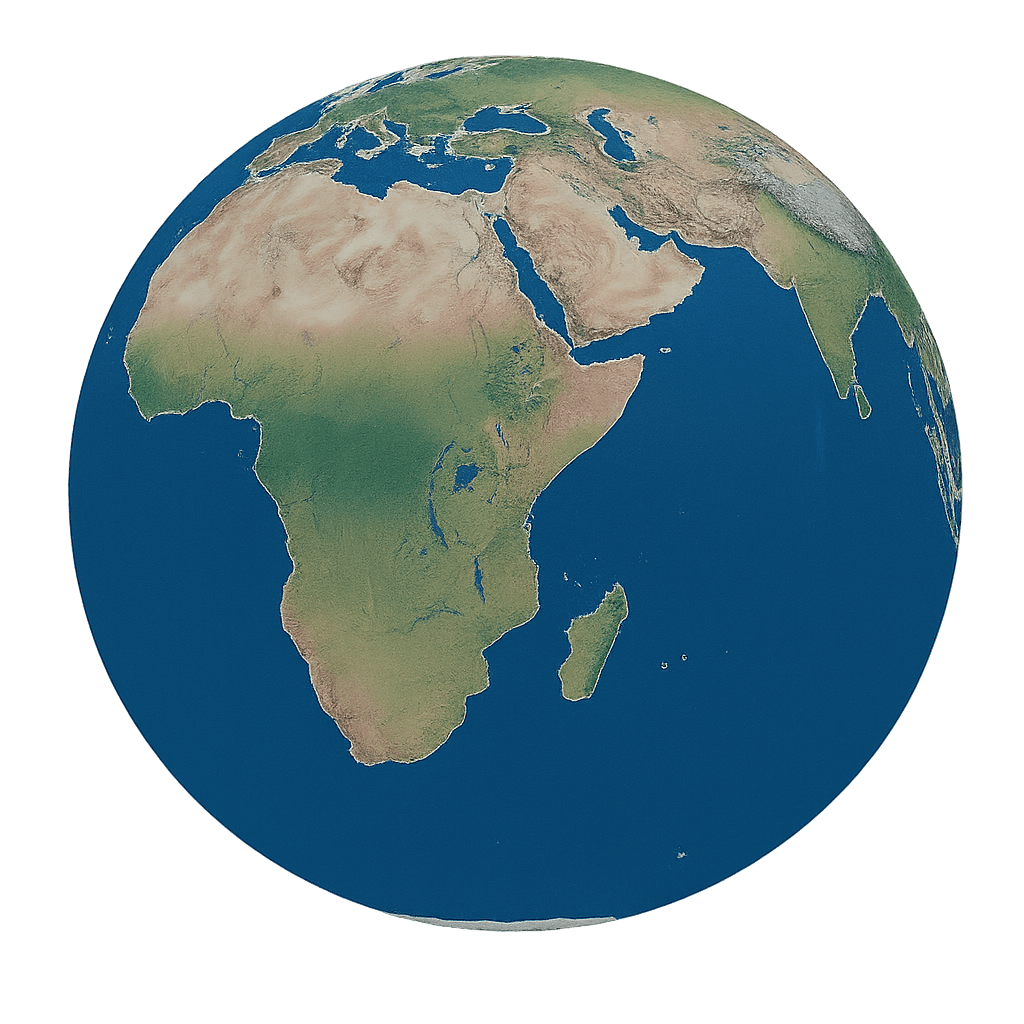
Regional Peace & Civilians: BRICS leaders adopted the New Delhi Declaration, urging “maximum restraint” amid escalating West Asia tensions and calling for an end to any forced displacement of Palestinians from Gaza, while stressing protection of civilians and civilian infrastructure. UN & Global Governance: The summit backed UN Security Council reform and pushed back against unilateral coercive measures, including sanctions and secondary sanctions, warning of knock-on harms to food security and human rights. Trade, Finance & Climate Resilience: BRICS also flagged rising unilateral tariffs and non-tariff barriers, backed local-currency settlements, and pointed to climate resilience and people-to-people exchanges as part of “sustainability.” Lebanon Under Strain: In southern Lebanon, Israeli strikes and massive explosions around the Ali Al-Taher heights reportedly caused craters, blocked roads, and triggered fresh displacement fears as direct talks with Lebanon are expected next month. Energy & Shipping Risks: Iraq said attacks on a key Saudi oil pipeline were launched from its territory, while Yemen’s Houthis seized key Red Sea positions, raising concerns for regional shipping and fuel flows.
AGP Executive Report
Your go-to archive of top headlines, summarized for quick and easy reading.
Note: AI summary from news headlines; neutral sources weighted more to help reduce bias in the result. Feedback is welcome. Please let us know if you have any comments or suggestions about the AGP Executive Report.
Lebanon’s Southern Shockwaves: Israeli forces detonated an estimated 1,100 tons of explosives on the Ali al-Taher heights near Nabatiyeh, triggering tremors reported as about magnitude 4.1, cratering hillsides, blocking roads, and driving fresh displacement—raising alarms about environmental damage from military blasts. Regional Waterway Pressure: Yemen’s Houthis completed control of the Bab el-Mandeb area by seizing Perim Island and nearby coastal towns, tightening risks for shipping through a key Red Sea choke point. De-escalation Call: Egypt urged “full de-escalation” around Bab el-Mandeb and warned that navigation disruptions have cost the Suez Canal nearly $11 billion, pushing for freedom of navigation. Public Health Alert: Lebanon NH rabies reports appear amid a wider rise in human rabies exposures and treatment errors in the US, underscoring the need for rapid, correct post-exposure care. Energy & Climate Diplomacy: Lebanon’s neighbors and partners keep tying security to energy routes and climate cooperation, while broader regional instability threatens stability for trade and environmental management.
Southern Lebanon Earth Impact: Israeli detonations on the Ali al-Taher ridge near Nabatiyeh generated seismic waves comparable to a magnitude 4.1 quake, according to Lebanon’s National Geophysics Center, raising fresh alarms about environmental damage from military blasts. Red Sea Shipping Tensions: Yemen’s Houthis seized Mayyun Island and expanded control along the Bab el-Mandeb area, intensifying risks for marine navigation and the wider Red Sea ecosystem. Regional Water Awareness: Lebanon Valley Clean Water Week launches Sept. 12–19, with countywide events focused on clean water, watershed health, and how local waterways connect. Public Health & Rabies Risk: U.S. health officials report a rise in human rabies exposures and treatment mistakes; the advisory also references a suspected rabid animal attack in Lebanon, New Hampshire. Local Conservation Event: Missouri’s Bennett Spring Fish Hatchery is hosting a free women’s fishing day Sept. 26, supporting hands-on outdoor participation tied to freshwater stewardship. Energy & Climate Diplomacy: UAE and Germany announced a strategic dialogue and a €40bn investment package, including major data-centre capacity, with climate and energy cooperation highlighted.
Clean Water Education: Lebanon Valley Conservancy kicks off the first Lebanon Valley Clean Water Week (Sept. 12–19), with hands-on events aimed at boosting public understanding of clean water, watershed health, and how local waterways connect. Port Expansion: CMA CGM broke ground on a US$100m Beirut terminal expansion, aiming to more than double annual capacity to 2.8m TEU by 2028—an important shift for Lebanon’s trade footprint and coastal infrastructure. Water & Health Support in the South: ICRC reports continued repairs and upgrades to pumping stations, boreholes, and water networks in southern Lebanon, alongside fuel and supplies to keep hospitals running and improve water/sanitation in shelters. Community & Nature Access: MDC in Missouri announced a free women’s fishing day at Bennett Spring State Park (Sept. 26), reserving a fishing zone and offering volunteer help and fly-tying demos. Southern Lebanon Developments: A major blast on the Ali al-Taher ridge near Nabatiyeh has intensified debate over who can protect southern Lebanon, with potential knock-on effects for local stability and services.

Lebanon’s energy diplomacy: Jordan approved a plan to supply Lebanon with natural gas via the Arab Gas Pipeline, a move aimed at easing energy vulnerability through regional connectivity. Southern Lebanon environment under pressure: Reporting on the Ali al-Taher Ridge campaign highlights how territory and infrastructure shifts can reshape daily life and displacement risks in Nabatieh and surrounding areas. State sovereignty debate: A Lebanese public discussion on whether Hezbollah’s armed role should be constrained or disarmed framed the issue as one of democratic decision-making and institutional control—key context for how conflict affects communities and resources. Regional security ripple effects: New U.S. Treasury sanctions under “Operation Economic Outcast” targeted Iran-linked networks spanning Iraq and Lebanon, underscoring how financial pressure can spill into cross-border stability that also shapes environmental and humanitarian conditions. Mosquito-borne health watch: Oakland County reported its first probable West Nile virus case of 2026, urging mosquito protection into fall.
War’s Hidden Ecology: A Green Southerners report says repeated large detonations in southern Lebanon are erasing karst limestone habitats that shelter Syrian rock hyrax (“tabsoun”), with Bayada and Naqoura cited as examples of bombings reshaping fragile ecosystems. UNIFIL Future: The UN Security Council is set to decide the future of Lebanon’s peacekeeping mission as the 2026 mandate nears its end, raising questions about what happens to southern Lebanon when UNIFIL leaves. Energy Connectivity: Jordan has approved a strategic plan to supply Lebanon with natural gas via the Arab Gas Pipeline, part of Lebanon’s push to reduce vulnerability through regional energy links. Water & Land Protection: A regional Schuylkill River Restoration Fund awarded nearly $655,000 for watershed projects, including stream restoration and runoff control—an example of how landscape work protects drinking water. Press Freedom & Environment Links: A Mozambican court ordered the return of a journalist’s seized tools after an investigation into alleged timber smuggling tied to a Lebanese businessman, highlighting how environmental crime probes can collide with media rights.
Lebanon Energy Security: Jordan approved a plan to supply Lebanon with imported natural gas via the Arab Gas Pipeline, using Aqaba Port LNG regasification and Syrian infrastructure—aimed at easing Lebanon’s rolling blackouts and water rationing after past fuel-payment disruptions. Regional Climate-Risk Context: With sea-level rise and maritime disruption repeatedly flagged in UNGA discussions, the wider Middle East security picture is again tied to energy and shipping stability. UN Diplomacy: A UN session in Doha paid tribute to late Father Amir Sheikh Hamad bin Khalifa Al-Thani, spotlighting sustainable development and humanitarian work. Lebanon’s Education Under Strain: Reporting highlights how Hezbollah-run schooling networks operate outside the Ministry of Education, shaping curricula and access amid Lebanon’s broader displacement pressures. Humanitarian Migration Pressure: In the U.S., Temporary Protected Status for about 200,000 Salvadorans is nearing a deadline, with a rare six-month automatic extension possible if no decision is made—an issue that also intersects with Lebanon-related TPS extensions noted earlier.
UNIFIL’s Lebanon footprint: A new report says UNIFIL’s work in southern Lebanon goes far beyond peacekeeping, including health care, education, electricity and energy support, water projects, and environmental initiatives, plus minefield handovers and solar power and water-network repairs. Southern Lebanon displacement and schooling: Another piece highlights how Israel’s war is forcing schools in the south to juggle classes and shelter for displaced families, with many areas still lacking basic services like water and electricity. Lebanon media law reform: Amnesty International says Lebanon’s new media law brings meaningful human-rights upgrades for journalists and online expression, but still leaves gaps—like prison penalties for certain speech and a new offence for “false or harmful news.” Energy corridor talks: Cyprus, Greece and Egypt reaffirmed plans to speed up electricity interconnection and natural gas links, positioning the Eastern Mediterranean as an alternative energy route that also touches Lebanon’s wider energy diplomacy. Regional security pressure: Lebanon’s UN envoy condemned IRGC threats against U.S. universities and urged diplomacy, warning civilians are paying the price of the Israel–Hezbollah conflict. Water and environment in the background: UNIFIL’s environmental projects and water-system fixes underscore how climate and infrastructure needs are getting pulled into the conflict response.
UNIFIL Exit Watch: The UN Security Council will decide UNIFIL’s future as its mandate ends Dec 31, 2026, with a gradual withdrawal planned in 2027; UNIFIL says it still faces major security challenges and continues monitoring amid ongoing Israeli operations. Southern Lebanon Services: UNIFIL’s work in 2024–2025 included electricity/energy, water, environmental projects, health care, education and minefield clearance—plus solar power and repairs to water networks—showing how peacekeeping links directly to local environmental and infrastructure needs. Energy Corridor for Lebanon: Jordan has approved supplying Lebanon with imported natural gas via Aqaba and transport through Syria, aiming to ease Lebanon’s electricity crisis and reduce reliance on costly fuel. Education Under Strain: In southern Lebanon, schools reopening for the new year remains uneven, with some damaged or still used as shelters; UNESCO warns the key issue is safe, regular access to education. Regional Diplomacy: Cyprus, Greece and Egypt reaffirmed energy and security cooperation and called for resolving disputes through diplomacy, including positions affecting Lebanon. Wildlife & Heritage: Qatar’s Katara opened S’hail 2026, a major hunting and falconry exhibition featuring wildlife services and outdoor technologies, with Lebanon among participating countries.
UNIFIL Decision Looms: UNIFIL’s final mandate ends Dec 31, 2026, and the UN Security Council will decide its future as UNIFIL prepares a gradual 2027 withdrawal; UNIFIL says the security environment has “changed radically,” with Israeli forces occupying parts of its area and ongoing airstrikes. Southern Lebanon Under Strain: A drone strike in southern Lebanon hit a motorcycle near Sujed, injuring one person, while reports of Israeli strikes in the south continue to raise fears of further escalation. Civilian Harm and Accountability: Amnesty says US-Israeli coalition strikes on Tehran neighborhoods in March 2026 used explosive weapons with wide area effects in densely populated areas, calling for independent investigation and possible war-crimes accountability. Lebanon’s Financial Aftershock: Seven years after the 2019 collapse, banks are still operating but remain fragile, with depositors’ confidence damaged and responsibility for losses still unresolved. EU Migration Returns Focus: Newly disclosed EU documents show Brussels prioritizing conditions for Syrian “returns,” including increased coordination with Syrian authorities on migration and border management. Wildlife Safety Alert: New Hampshire authorities warn residents after reports of an unusually aggressive animal attacking people near Lebanon’s Centerra Park, with rabies risk cited. Local Environment Angle: Paphos begins mapping accessibility gaps across tourism infrastructure, aiming for integrated improvements to beaches, attractions, and rural sites by mid-2027.
Southern Lebanon Under Strain: Israeli air strikes hit southern Lebanon, including a drone attack on a motorcycle convoy near Sujed that left one person injured, while separate strikes in Nabatieh reportedly killed at least 12 and wounded others, as officials warn of escalating cross-border violence. Humanitarian & Civilian Impact: Lebanese Parliament Speaker Nabih Berri condemned the attacks as “state terrorism,” citing damage to civilian sites including Ghandoor Hospital and the Finance Ministry office, and urged urgent international action. Regional Security Flashpoint: Israel says it has established operational control over the Ali al-Taher ridge near Nabatieh, intensifying pressure on a fragile ceasefire; Hezbollah and Lebanese officials have not independently verified the extent. Maritime Risk Around Hormuz: Iran’s security chief announced a new restricted zone beyond the Strait of Hormuz, warning ships entering without coordination could face sanctions and insurance consequences, while claiming the strait is under Iranian control. Local Environment Angle: In New Hampshire, Lebanon police are investigating multiple attacks by an unidentified aggressive wild animal, warning residents about possible rabies exposure. Community Support: Deloitte donated repurposed laptops to the Lebanese Food Bank via D-CARES, supporting digital access for vulnerable communities.
Regional Water Security: Kuwait’s KISR and the IAEA launched a meeting on using nuclear techniques to assess groundwater pollution and climate impacts, aiming to build groundwater vulnerability maps and protection zones with experts from Lebanon, Jordan, Iraq, Syria and others. Energy for Lebanon: Lebanon’s cabinet approved supplying natural gas via Aqaba’s floating unit, regasifying in Jordan and transporting through Syria for power generation, alongside an energy-efficiency push for government buildings. Southern Lebanon Flashpoint: Israel claims operational control over Ali al-Taher ridge in southern Lebanon, citing cleared underground routes and ongoing neutralization, while Lebanon officials say they can’t independently verify the advance. Humanitarian & Food Security: Deloitte donated repurposed laptops to the Lebanese Food Bank through its D-CARES program, supporting digital access and the bank’s work against food insecurity. Wildlife & Public Health: Reports of a rabid/foaming fox attack in Lebanon shoppers’ area highlight the need for urgent animal-control and post-exposure care. S’hail 2026: Qatar’s Katara hunting and falconry exhibition opens Tuesday with 14 countries, including Lebanon, running to Sept. 12.
Groundwater & climate resilience: Kuwait’s KISR, with the IAEA, is convening a regional push on groundwater protection using nuclear techniques, aiming to map vulnerability and set protection zones as climate and pollution pressures grow—Lebanon is among the participating countries. Energy security: Lebanon’s Cabinet approved supplying natural gas via Jordan’s Aqaba port, regasifying LNG there, then transporting it through Syria to support power generation and deepen regional energy cooperation. Southern Lebanon risk: Israel’s public broadcaster reports internal discussions about a new Israeli security zone inside southern Lebanon, with forces positioned a few kilometers from the border—alongside talk of redeploying troops. Humanitarian strain in Lebanon: UNRWA aid cuts are hitting Palestinian refugees in Lebanon’s camps, with families facing reduced electricity, water access, and healthcare support. Maritime navigation diplomacy: Qatar is intensifying efforts to keep the Strait of Hormuz open and secure, warning against turning navigation into a bargaining tool. Wildlife & public health: Reports of aggressive, possibly rabid fox attacks in Lebanon-linked communities underline the need for rapid animal-control response and post-exposure care.
Humanitarian Pressure in Lebanon: UNRWA is cutting essential aid to Palestinian refugee camps in northern Lebanon, with families in Nahr al-Bared reporting electricity for just two hours a day, water shortages, rising rents, and forced trade-offs between food and medicine as the agency faces its worst financial crisis since 1949. Southern Lebanon Security Zones: Israel’s security establishment is reportedly discussing a new security zone inside Lebanese territory, 2–4 km from the border, alongside force reduction and redeployment plans—raising fresh risks for civilians and local stability. Maritime Tensions: Qatar is intensifying diplomacy to keep the Strait of Hormuz open and secure, rejecting attempts to politicize navigation after attacks affecting regional shipping. Environment Angle on Invasives: EarthTalk highlights how banning invasive plants can slow spread, using the example of English ivy restrictions and broader impacts on habitats and water quality. Local Environment Watch: A public “Environmental Permit” notice appears in the coverage, alongside ongoing monitoring themes.
Southern Lebanon Escalation: Lebanon’s National News Agency reports more than 14 Israeli explosion operations around Al-Mansouri in Tyre district, with shelling and demolition continuing across southern areas. Maritime Security: Qatar is intensifying diplomacy to keep the Strait of Hormuz open, rejecting any attempt to use navigation as leverage and warning against further disruption. Aid Pressure on Palestinian Camps: UNRWA is cutting essential aid to six Palestinian refugee camps in northern Lebanon as it faces its worst financial crisis, leaving families with limited electricity, water, and healthcare. Water Cyber Risk: A New Hampshire report highlights how water systems are being probed by cyberattacks nationwide, with operators scrambling to stay ahead as threats evolve. Invasive Species Watch: EarthTalk asks whether bans on invasive plants slow spread, noting how non-native species can outcompete natives and damage habitats. Local Environment & Health: Lebanon, NH police warn residents after repeated attacks by an unusually aggressive animal described as either a gray fox or a fisher, urging caution near wooded areas. Waste & Pollution Probe: Michigan police and environmental agencies investigate an oily substance found in the Saline River at Curtiss Park, with the source still unknown.
Wildlife & Public Safety: Lebanon, New Hampshire police warned residents after three people were attacked in Centerra Park by an unusually aggressive animal described as either a gray fox or a fisher, with rabies a concern; officials can’t confirm the species and are coordinating with Fish and Game. Water & Cybersecurity: New Hampshire water systems face ongoing probing from would-be hackers after a July wave of cyberattacks on water utilities in multiple states; officials say they’re not aware of impacts locally, but stress the threat is evolving fast. Pollution Investigation: An oily substance was found in Michigan’s Saline River at Curtiss Park; samples were taken and agencies are working to identify the source, with storm drains being tracked. Climate Context: A report flags August 2026 as the hottest on record globally, underscoring rising warming pressure. Humanitarian Diplomacy: The U.S. Embassy in Beirut welcomed Israel’s release of Lebanese prisoners via a trilateral mechanism, urging momentum toward further border and humanitarian talks. Environment Policy (Invasive Species): EarthTalk asks whether banning invasive plants slows their spread, citing how these species harm habitats and biodiversity.
Water Pollution Watch: Police in Saline, Michigan are investigating an oily substance found in the Saline River at Curtiss Park after a report it was coming from a storm outlet; samples were taken and crews are tracing storm drains uphill to the east. Biodiversity & Public Safety: In Lebanon, New Hampshire, residents were warned after three reported attacks by a “mystery” animal described as possibly a gray fox or fisher, with officials coordinating with Fish and Game and urging people to stay cautious near wooded areas. Conservation Tech: A report from Saudi Arabia highlights how digital tools—satellite tags, drones, and sensor data—are helping conservation teams shift from reacting to crises toward more proactive ecosystem management. Accessible Outdoors: A new wheelchair-accessible trail in Randolph, Vermont expands outdoor recreation for people with mobility challenges, part of a broader push to make nature spaces more inclusive. Diplomacy & Humanitarian Files: The U.S. Embassy in Beirut welcomed Israel’s release of Lebanese prisoners via a trilateral mechanism, urging both sides to keep momentum for upcoming talks.
Water Security: New Hampshire officials say water systems are being probed by cyberattackers, with a recent wave of attacks in other states raising alarms even as no impacts are known locally. Wildlife & Public Health: Lebanon, New Hampshire police warn residents after repeated attacks by an unidentified aggressive wild animal, possibly a gray fox or fisher, urging people not to approach and to report bites. Mosquito Alert: Livonia, Michigan is monitoring a new day-biting Asian tiger mosquito species, warning residents to remove standing water to cut disease risk. Conservation Tech: Saudi Arabia’s rewilding push is using real-time tracking and predator reintroductions alongside AI and bioacoustics to scale biodiversity work. Smart Living: Aqara unveiled new AI-driven smart lighting for indoor and outdoor spaces at IFA 2026, expanding its ecosystem for “whole-space” automation. Lebanon Conflict Impact: Reporting highlights alleged Israeli actions in southern Lebanon that include demolitions, uprooting trees, and restricting access near the border—raising concerns for local communities and wildlife.
EU-Lebanon Cooperation: Lebanon and the European Union launched an EU-Lebanon Joint Monitoring Committee to track support for basic services and vulnerable communities, including education, healthcare, social protection, and water and wastewater. Biodiversity & Public Health: Livonia, Michigan warned residents about a new aggressive Asian tiger mosquito species (Aedes albopictus) active during the day, urging weekly removal of standing water to cut virus risks like West Nile, dengue, Zika, and chikungunya. Wildlife Safety: New Hampshire’s Lebanon police reported three recent attacks near Centerra Park by an unidentified aggressive wild animal, possibly a gray fox or fisher, and urged people not to approach wildlife and to seek help after bites or scratches. Community Nature & Recovery: Pennsylvania state parks expanded “Recovery in Nature” with nature walks and forest-bath events through September, including programming for veterans and people in recovery from substance use disorder. Waste & Climate: Casablanca’s waste-to-energy project awarded a contract to Lebanon-based BUTEC to build a plant processing about 1.5 million tons of non-recyclable waste annually, aiming to reduce landfill use and cut emissions.
Climate & Heat Extremes: A new climate warning says Earth is on track for an extreme El Niño this winter, with heat already driving massive wildfires across Europe and record-scale impacts that include Lebanon-sized land areas burned and thousands of deaths linked to heat. War & Environment: Gaza’s “ecocide” is being linked to a spreading public health and coastal pollution crisis, as damage to power and sewage systems is said to push toxic waste into shared Mediterranean ecosystems. Lebanon Security & Politics: A major Lebanon-focused analysis argues the era where Hezbollah’s weapons could steer Lebanon’s political balance is nearing its end, pointing to state efforts to reassert control over arms. Local Wildlife Risk: In Lebanon, New Hampshire, police report an “unusually aggressive” wild animal—possibly a gray fox or fisher—attacking multiple people in Centerra Park, prompting public warnings and Fish & Game involvement. Peace vs Arms Production: In Germany, protests target Volkswagen’s plan to produce military equipment tied to Israel, with activists pushing for environmentally sustainable alternatives. Regional Diplomacy: Qatar reiterates support for de-escalation and maritime navigation after renewed Iran–US clashes, including calls with Lebanon’s prime minister.
Sign up for:
Lebanon Environmental Bulletin
The daily local news briefing you can trust. Every day. Subscribe now.
Check Your Email!
We sent a one-time activation link to: .
Confirm it's you by clicking the email link.
If the email is not in your inbox, check spam or try again.
Welcome back!
is already signed up. Check your inbox for updates.